

Understanding Genomic Testing: WES vs. WGS with HiFi Technology
Understanding Genomic Testing: WES vs. WGS with HiFi Technology
Genomics is revolutionizing how we diagnose and treat genetic conditions. Two powerful tools—Whole Exome Sequencing (WES) and Whole Genome Sequencing (WGS) with HiFi Technology—help uncover the genetic roots of diseases, guiding personalized care. For example, WES helped diagnose a rare epilepsy in a child, leading to targeted treatment. Choosing the right test can accelerate diagnosis and improve outcomes. This guide explains WES and WGS, when to use each, and how they empower precision medicine.
What is Whole Exome Sequencing (WES)?
Your genome is like a vast library of instructions for your body. Exons are the key chapters—only 1–2% of the genome but containing about 85% of known disease-causing genetic changes. Whole Exome Sequencing (WES) reads just these exons to find mutations efficiently.
WES is a go-to tool in clinics because it:
- Thoroughly examines coding regions.
- Delivers results in weeks.
- Costs less than sequencing the entire genome.
For instance, WES can identify mutations causing conditions like cystic fibrosis or muscular dystrophy, making it a fast and effective diagnostic option.
When Should You Choose WES?
WES is ideal in specific situations, offering a focused yet powerful genetic evaluation. It’s best when:
- A single-gene disorder is suspected, such as cystic fibrosis, developmental delays, or birth defects.
- Previous tests (e.g., chromosomal microarray or targeted gene panels) didn’t provide answers.
- Trio analysis (testing the patient and both parents) can clarify uncertain genetic findings and trace inheritance patterns.
- You need a fast, cost-effective test that doesn’t compromise accuracy.
Example: WES helped diagnose a rare genetic disorder in a toddler with developmental delays after other tests failed, enabling early intervention.
What is Whole Genome Sequencing (WGS) with HiFi Technology?
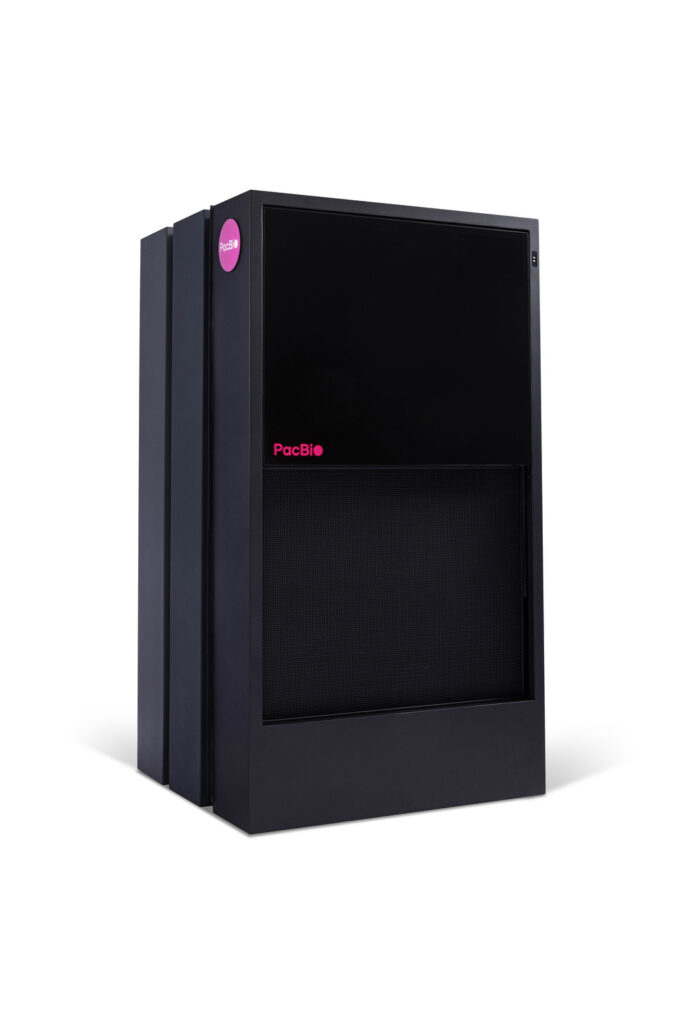
While WES reads the genome’s “chapters,” Whole Genome Sequencing (WGS) examines the entire book—coding and non-coding regions. Non-coding areas act like switches, controlling how genes work, and changes here can influence diseases.
HiFi long-read sequencing, developed by PacBio, reads large DNA segments (10–25 kb) with over 99.9% accuracy. Unlike short-read methods, HiFi detects complex changes, such as:
- Large insertions or deletions.
- Repeat expansions (e.g., in Huntington’s disease).
- Structural rearrangements.
- Methylation patterns (chemical tags affecting gene function).
This makes WGS with HiFi a comprehensive tool for uncovering hidden genetic causes.
When Should You Choose WGS with HiFi?
WGS with HiFi is recommended when deeper insights are needed. It’s ideal when:
- WES results are negative or inconclusive, but a genetic cause is still likely.
- The condition involves complex changes, like large insertions, repeat expansions, or regions missed by short-read sequencing.
- Gene regulation changes (e.g., methylation) or variant arrangements are important.
- A complex or multi-gene disorder is suspected.
- A single, comprehensive test is preferred to avoid multiple follow-up tests.
Example: WGS with HiFi identified a repeat expansion causing Huntington’s disease that WES missed, providing clarity for a patient’s symptoms.
Comparing WES and WGS with HiFi
| Feature | WES | WGS with HiFi |
|---|---|---|
| Focus | Coding regions (1–2% of genome) | Entire genome (coding + non-coding) |
| Best for | Single-gene disorders, quick results | Complex cases, structural variants |
| Cost & Speed | Affordable, results in weeks | More expensive, more comprehensive |
| Unique Advantage | High coverage of exons | Detects methylation, repeat expansions |
Key Takeaways
- WES is the first choice for rapid, cost-effective diagnosis of single-gene disorders.
- WGS with HiFi offers deeper insights for complex or unresolved cases, detecting structural and regulatory changes.
- Both tests pave the way for personalized treatments, improving outcomes and quality of life.
- Work with your genetic counselor to choose WES for initial testing or WGS for comprehensive analysis.
Note: While powerful, not all genetic variants are fully understood, and results may require expert interpretation to avoid misdiagnosis.
Frequently Asked Questions (FAQs)
1. How long does it take to get results from WES or WGS? WES typically delivers results in 2–6 weeks, depending on the lab and testing urgency. WGS may take longer (2 – 8 weeks) due to its comprehensive nature but can reduce the need for additional tests.
2. Are WES and WGS covered by insurance? Coverage varies by provider and region. WES is often covered for specific conditions (e.g., developmental delays). WGS may require pre-authorization due to higher costs. Check with your insurance provider or genetic counselor.
3. What are the risks of genomic testing? Both tests are safe, using a simple blood or saliva sample. However, results may reveal unexpected findings (e.g., risks for other conditions), and privacy concerns require secure data handling. Discuss these with your counselor.
4. Can WES or WGS diagnose all genetic conditions? No test is 100% conclusive. WES covers most known disease-causing variants but misses non-coding changes. WGS is more comprehensive but may still require expert interpretation for unclear variants.
5. How do I know which test is right for me? Your clinician or genetic counselor will review your medical history, symptoms, and prior tests to recommend WES for targeted analysis or WGS for complex cases. They’ll guide you through the process and results.
Conclusion
WES and WGS with HiFi are game-changers in precision medicine. WES is a fast, affordable tool for diagnosing single-gene disorders, while WGS with HiFi unlocks answers in complex, undiagnosed cases by reading the entire genome. Take control of your health—consult your genetic counselor today to choose the right test and start your journey toward a precise diagnosis and personalized treatment.
Sorry, the comment form is closed at this time.